

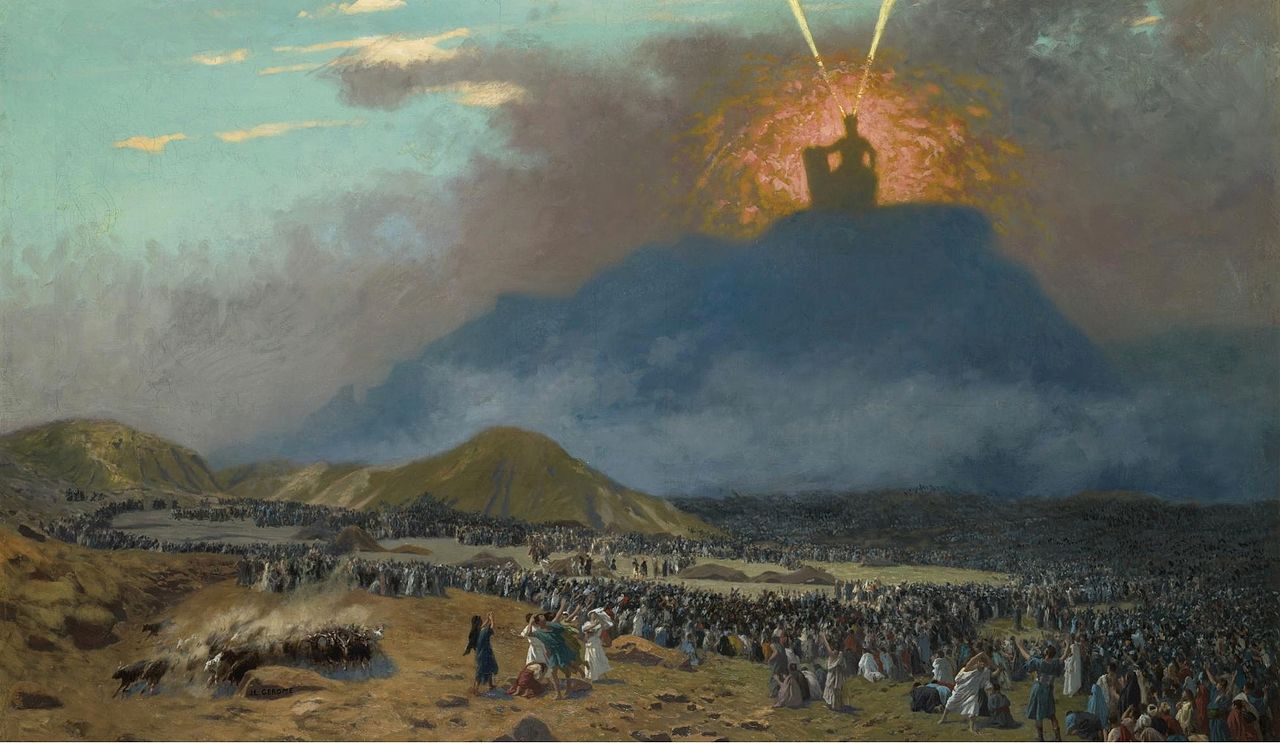


This Sephardic song, known by titles such as “Nuestro Señor Eloheinu” and “Las tablas de la Ley,” survives in a wide range of musical versions that reflect its transmission across the Mediterranean world. Performed in different ritual and communal contexts, the song appears both as a Hebrew piyyut within liturgical frameworks and as a copla associated with domestic and communal celebrations of Passover and Shavuot. The musical examples presented here trace how a shared textual core gave rise to diverse melodic realizations- from Ottoman makam-based traditions to Italian and North African variants- revealing both continuity and transformation within Sephardic musical culture.
For a detailed article on the history of this song and its diverse musical traditions, including links to additional musical examples, see The Song of the Month: Nuestro Señor Eloheinu/Las tablas de la Ley: A Song for Shavuot (May 2020).
For additional commentary, see the page Las Tablas de la Ley (The Tablets of the Law) on our website, with annotations by Shoshana Weich-Shachak.


